



Key Takeaways
- The Matanuska-Susitna Borough School District proposes Board Policy 3515, allowing qualified staff to carry concealed handguns voluntarily.
- Participants must have an Alaska Concealed Handgun Permit, complete training, and undergo assessments; the Superintendent has the approval authority.
- The policy aims to address long law enforcement response times in rural areas, serving around 19,421 students.
- Opinions on the policy vary; some support trained staff carrying firearms, while others express concern about teachers’ roles and the timing of the proposal.
- The policy includes multiple safeguards, such as mandatory training and psychological evaluations, making it a more protective framework.
Estimated reading time: 4 minutes
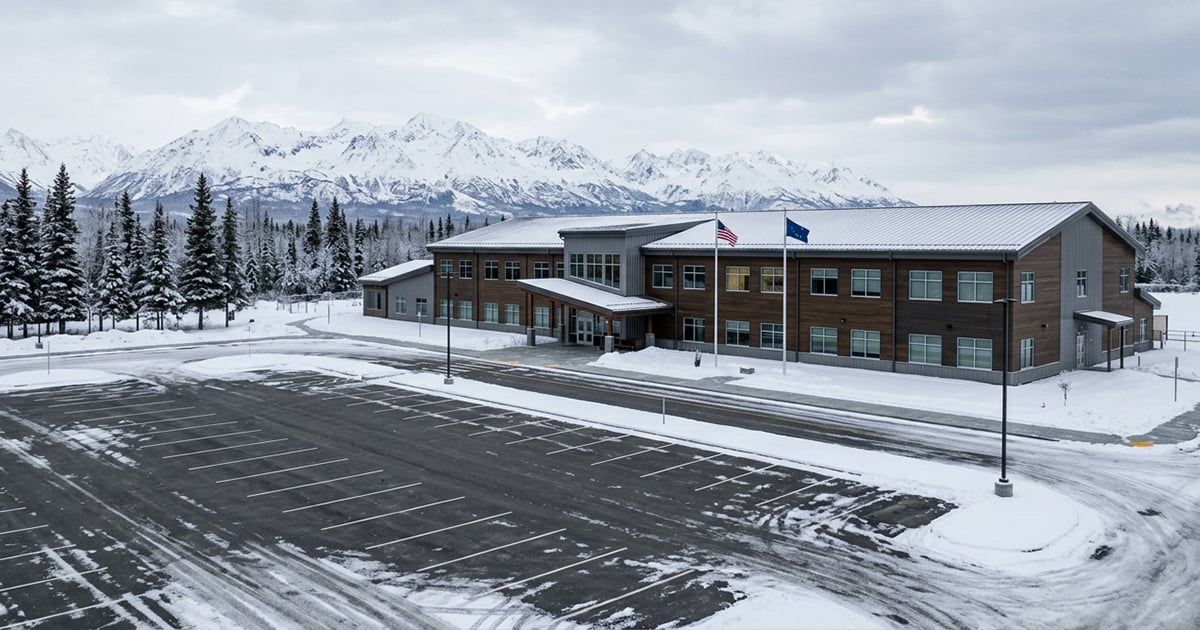
WASILLA, AK — The Matanuska-Susitna Borough School District is considering a proposed Board Policy 3515 that would allow qualified teachers, board members, and contracted individuals to voluntarily carry concealed handguns on school property.
According to reporting by the Mat-Su Valley Frontiersman, the school board first discussed the proposal at its April 15, 2026 meeting. The item was tabled and is scheduled to return to the board on May 6.
What the Policy Does
Participation is strictly voluntary. To qualify, an applicant must hold a valid Alaska Concealed Handgun Permit, complete required training, pass a physical assessment and psychological evaluation, and submit to initial and random drug and alcohol screenings.
The Superintendent has final authority to approve or deny applications and may revoke authorization at any time. Authorized participants will receive a stipend for the additional duty.
Required training includes live handgun qualification, scenario-based active shooter training, and trauma and emergency medical response training, totaling between 8 and 40 hours annually. The employee provides their own firearm and equipment. District funds cannot be used to purchase handguns or ammunition.
Authorized employees must keep the firearm on their person, properly holstered and fully concealed at all times. Storing a firearm in a school building overnight is prohibited.
Why Mat-Su Is Considering It
The district covers a large area with rural communities where law enforcement response times can be long. The board argued that evolving safety risks require more proactive measures, particularly in remote areas. The district serves approximately 19,421 students across 49 schools.
The Board Conversation
According to the Frontiersman, board member Brooks Pitcher spoke in favor of the policy. School nurse Virginia St. John voiced opposition, citing the professional mandate to “do no harm” and concerns about the role shift for teachers.
“We’re asking our teachers to be educators, mentors, and now a tactical first responder,” St. John said.
Mother Dena McCarg said she supports having trained staff ready to react to threats but raised concerns about ongoing training requirements. Public commenter Katie Stiegel questioned the timing during a tense fiscal year for the district.
Superintendent Dr. Randy Trani told the board the policy was developed after consultation with other states and districts, the district’s insurance provider, and legal counsel. Board member Ole Larson moved to table the policy, and it will return on May 6.
More from USA Carry:
Why This Matters for Gun Owners
The Second Amendment is a fundamental civil right, and the question of whether trained, vetted, and willing teachers should be permitted to carry concealed firearms in schools is one of the most important debates in American school safety policy.
When a violent attack begins inside a school, the most decisive factor in how many people get hurt is how quickly an armed defender can confront the threat. In rural districts where law enforcement may be 15 to 30 minutes away, the gap between attack and effective response is filled by whoever happens to be inside the building.
The proposed Mat-Su policy is also a model of layered safeguards. It is voluntary, requires an existing CHP, adds psychological and physical evaluations, drug and alcohol testing, mandatory training, and law enforcement coordination. Compared to current policy, the proposed framework is more protective, not less.
Alaska is one of the most permissive states in the country for lawful gun ownership and carry. Allowing willing, qualified educators to carry concealed at school is consistent with how most adult Alaskans already live.
Read the full article here