


Key Takeaways
- The 11th Circuit has upheld the federal ban on machine guns, stating the Second Amendment does not protect fully automatic weapons.
- Maxon Alsenat’s conviction for possessing a machine gun conversion device was affirmed by the court after he pleaded guilty.
- The court referred to the Supreme Court’s ruling in Heller, emphasizing that military-type weapons can be banned.
- Over 35 jurisdictions have strict regulations on machine gun possession, with many states banning nearly all private ownership.
- This ruling does not impact rights to own commonly used firearms for lawful purposes, maintaining the essence of the Second Amendment.
Estimated reading time: 4 minutes
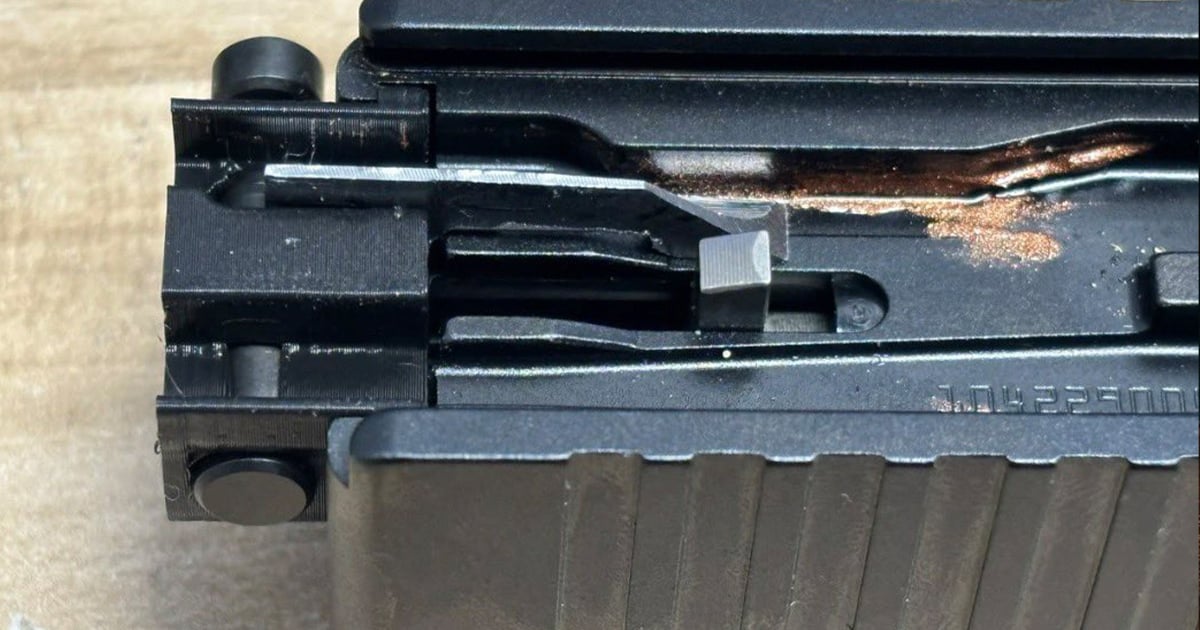
ATLANTA, GA — The U.S. Court of Appeals for the 11th Circuit has upheld the federal ban on machine guns, ruling that the Second Amendment does not protect the possession of fully automatic weapons or conversion devices that turn semi-automatic firearms into machine guns.
The opinion, issued April 21, 2026, affirms the conviction of Maxon Alsenat, a Florida man indicted for knowingly possessing a machine gun conversion device in violation of 18 U.S.C. § 922(o)(1). Chief Judge William Pryor authored the opinion, joined by Judges Brasher and Abudu.
Alsenat had pleaded guilty after the Southern District of Florida denied his motion to dismiss the indictment. According to the court’s opinion, he stipulated that the government could have proven he knowingly sold three machine gun conversion devices to an undercover law enforcement officer. The district court sentenced him to 24 months in prison followed by three years of supervised release.
On appeal, Alsenat argued that Section 922(o) is unconstitutional as applied to adult citizens with no felony convictions. The 11th Circuit rejected that argument.
The Court’s Reasoning
Writing for the panel, Chief Judge Pryor leaned heavily on the Supreme Court’s 2008 decision in District of Columbia v. Heller. That ruling held that the Second Amendment “does not protect those weapons not typically possessed by law-abiding citizens for lawful purposes” (quoted in the 11th Circuit opinion).
The Heller opinion also stated that it would be “startling” to conclude federal restrictions on machine guns might be unconstitutional, and that weapons most useful in military service, such as M-16 rifles, may be banned.
The 11th Circuit found that nothing in the Supreme Court’s more recent decisions in New York State Rifle & Pistol Association v. Bruen or United States v. Rahimi changed that analysis. Both opinions reaffirmed that the Second Amendment protects weapons in common use while allowing bans on “dangerous and unusual weapons”.
Historical Context Cited by the Court
The panel also pointed to the historical record surrounding machine gun regulation. According to the opinion, handheld machine guns like the Tommy gun entered the civilian market after World War I and were quickly adopted by criminals.
At least 32 states responded by enacting anti-machine gun laws between 1925 and 1934, many of which banned possession outright. Congress followed in 1934 with the National Firearms Act, which imposed a $200 tax on machine guns and required federal registration. In 1986, Congress enacted Section 922(o) as part of the Firearm Owners’ Protection Act, which generally prohibits civilian possession of machine guns manufactured after that date.
The court noted that more than 35 jurisdictions strictly regulate machine gun possession today, with at least 13 states and the District of Columbia banning nearly all private ownership.
More from USA Carry:
Joining Sister Circuits
With this ruling, the 11th Circuit joins a growing list of federal appellate courts that have upheld Section 922(o) against Second Amendment challenges, including the Third, Fourth, Sixth, Eighth, Ninth, and Tenth Circuits.
The court also rejected Alsenat’s argument that his status as a non-felon citizen should change the outcome. Because Alsenat raised what the court called a “quasi-facial” challenge, he needed to show that no set of circumstances existed under which Section 922(o) could be constitutional. The panel found that standard unmet.
What This Means for Lawful Gun Owners
This ruling does not affect the rights of Americans to own commonly used firearms for self-defense, sport, or lawful purposes. The Second Amendment remains a fundamental civil right that protects the ability of law-abiding citizens to keep and bear arms in common use, including handguns, rifles, and shotguns.
The 11th Circuit’s decision addresses a narrow category of weapons and devices that have been heavily regulated at both the state and federal level for nearly a century. For responsible armed citizens, the core protections recognized in Heller, Bruen, and Rahimi remain intact.
The broader legal landscape continues to move in favor of recognizing the Second Amendment as the individual, fundamental right it has always been. Courts across the country are applying the text-and-history framework established in Bruen to strike down overreaching restrictions on common firearms, magazines, and carry rights. That work continues regardless of how any single court rules on narrow statutory questions like the one decided here.
Additional reporting from Courthouse News Service.
Read the full article here