




NEWYou can now listen to Fox News articles!
Nearly three-quarters of a million fraud-related suspicious activity indicators were reported by financial institutions in Minnesota in 2024. Concentrated largely in Hennepin, Ramsey and surrounding counties, these reports frequently cited transactions with no apparent lawful purpose, coordinated activity involving multiple individuals, misuse of checks and government payments, and patterns consistent with organized fraud rather than isolated misconduct.
Those numbers matter. Not because they are abstract statistics, but because they reveal how deeply fraud has embedded itself into our financial system and why it should be viewed not merely as a regulatory or financial issue, but as a national security concern.
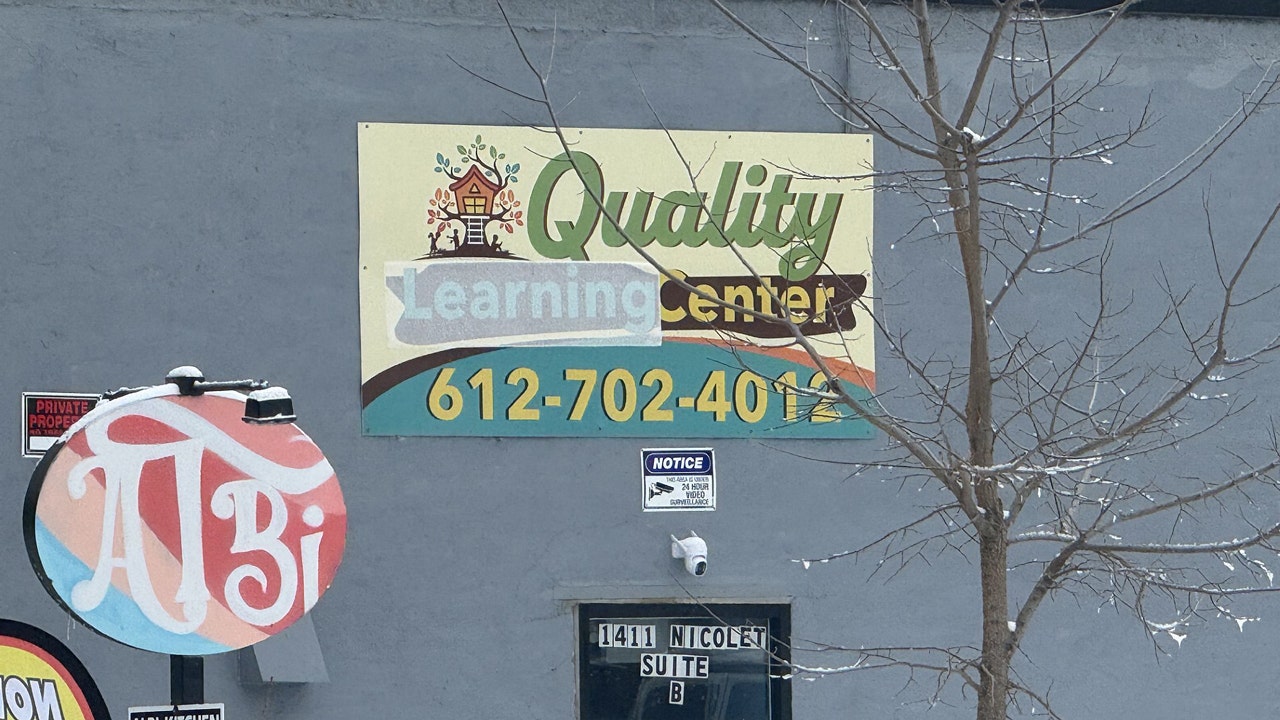
The recent fraud headlines out of Minnesota involving daycare centers, medical providers and other sham businesses are not just local scandals. They are warnings.
HOUSE REPUBLICANS CALL MINNESOTA FRAUD PROBE ‘TIP OF THE ICEBERG’ AS MORE BLUE STATES FACE SCRUTINY
Fraud is often treated as a cost of doing business or a compliance failure. In reality, it is one of the most efficient entry points for illicit money to move through the U.S. financial system. And when illicit money moves freely, it does not remain benign. It fuels organized crime, corruption and networks that undermine public trust and stability.
That is why America’s financial institutions sit at the tip of the spear.
Fraud is the intentional use of deception to obtain money, goods or services unlawfully. Money laundering is the process of disguising the proceeds of that fraud, so the funds appear legitimate. It typically occurs in three stages: placement of illicit funds into the financial system, layering transactions to obscure their origin, and integration, where the money re-enters the economy appearing clean, such as being paid out as payroll, rent or vendor expenses from what looks like a legitimate business.
Fraud creates dirty money. Money laundering keeps it alive.
PAM BONDI DISPATCHES FEDERAL PROSECUTORS TO MINNESOTA FOLLOWING SOMALI FRAUD ALLEGATIONS
In the Minnesota cases, the opportunity to detect this activity existed long before indictments or headlines. It existed the moment these businesses opened bank accounts.
Every U.S. financial institution is required to conduct Know Your Customer (KYC) due diligence. This process is designed to understand who a customer is, what they do, where they operate and whether their activity makes sense. For businesses, that includes verifying ownership, stated purpose, expected transaction activity and physical address.
A daycare should look like a daycare. A medical provider should look like a medical provider. When the story does not match the facts, that discrepancy matters.
MINNESOTA FRAUD WHISTLEBLOWER SAYS ‘LACK OF GUARDRAILS WAS PRETTY SHOCKING’
I have worked thousands of suspected money laundering and fraud cases for some of the largest financial institutions in the country. I have seen firsthand how illicit money flows through ordinary accounts, how it hides in routine transactions, and how it is detected through inconsistencies, patterns and human judgment long before a case becomes public.
KYC is not a one-time event. Financial institutions are required to reassess customers over time, especially when transaction behavior changes. This is where transaction monitoring plays a critical role.
Banks use Transaction Monitoring Systems to flag unusual or suspicious activity. These systems are often misunderstood as purely technological. They are not. Humans design them. Compliance professionals determine which behaviors are risky, what thresholds trigger alerts and why certain patterns warrant review.
MINNESOTA FRAUD CASE IS ‘CANARY IN THE COAL MINE’ FOR GOVERNMENT SYSTEMS — INCLUDING ELECTIONS, LAWYER WARS
Equally important is OSINT, also known as open-source intelligence. Basic internet searches are performed by compliance officers in financial institutions and help verify whether a business address exists, whether it aligns with the claimed operation and whether public records raise concerns. If a business claims to be a childcare center, but operates out of a residential apartment or empty storefront, that is a red flag.
CLICK HERE FOR MORE FOX NEWS OPINION
When financial institutions identify potentially suspicious activity, they are required to file a Suspicious Activity Report with the Financial Crimes Enforcement Network, or FinCEN, under the U.S. Treasury. These reports feed the nation’s Financial Intelligence Unit and support law enforcement and national security efforts.
CLICK HERE TO DOWNLOAD THE FOX NEWS APP
Once a financial institution files a Suspicious Activity Report (SAR), visibility largely ends. Institutions are not told whether a SAR is flagged or shared, and the sheer volume filed every day nationwide makes it extraordinarily difficult for government agencies to identify, prioritize, and act on every report in real time. The result is an inherent gap between what financial institutions report and what the public ever sees in terms of outcomes.
The Minnesota SAR data is not just a snapshot of fraud. It is a reminder that recognizing fraud as a national security issue is not optional; it is the price of protecting public funds, public trust, and the financial system that underpins them both.
Read the full article here